Navigating the world with Borderline Personality Disorder (BPD) can often feel like an emotional rollercoaster, with each day presenting its own set of unique challenges. For those newly diagnosed, the label itself might seem daunting, conjuring a whirlwind of confusion, fear, and uncertainty. Yet, beyond the initial shock of a BPD diagnosis lies the potential for growth, understanding, and healing. This post delves into the personal experiences of living with BPD, shedding light on the intricate dance of emotions and the journey toward finding effective coping strategies. As we explore the nuances of emotional regulation and the importance of robust support systems, we aim to foster a sense of mental health awareness and solidarity.
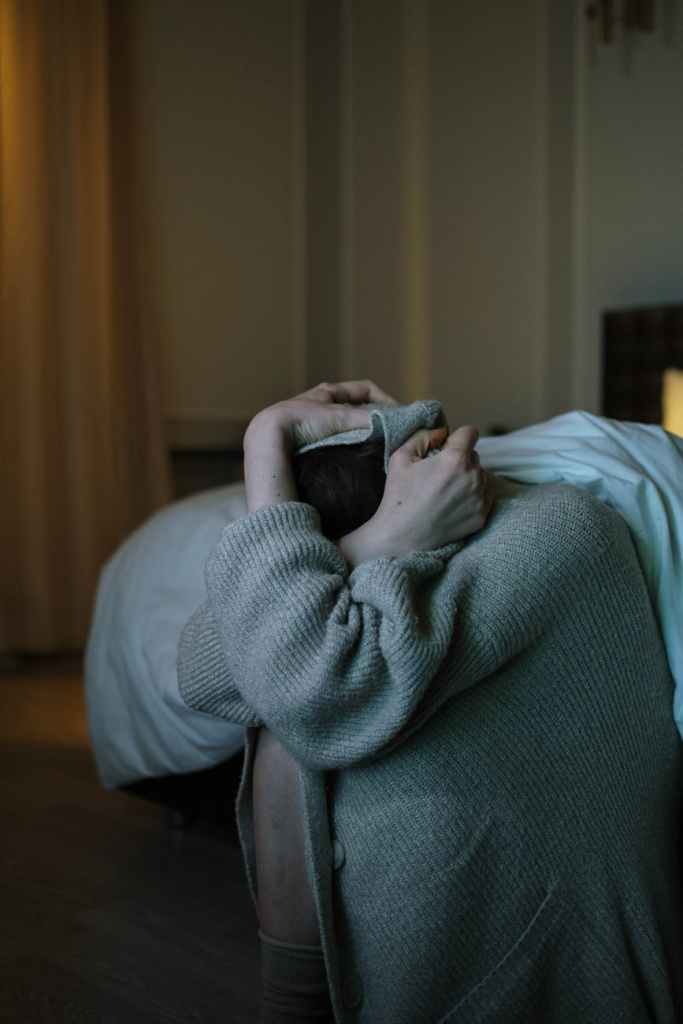
Navigating a BPD Diagnosis
Receiving a Borderline Personality Disorder (BPD) diagnosis can be a pivotal moment in one’s life. This section explores the emotional journey from initial diagnosis to understanding and acceptance, offering insights into the challenges faced and strategies for moving forward.
Initial Reactions and Emotions
When first diagnosed with BPD, it’s common to experience a whirlwind of emotions. You might feel relief at finally having a name for your struggles, but also fear and uncertainty about what the diagnosis means for your future.
I remember feeling overwhelmed when I first heard the term “Borderline Personality Disorder.” It was like being handed a puzzle without any instructions. Questions raced through my mind: What does this mean for me? How will it affect my relationships? Can I ever lead a “normal” life?
It’s important to recognize that these feelings are valid and shared by many others who’ve received a BPD diagnosis. Understanding and accepting your diagnosis is a crucial first step in your healing journey.
My Struggles with BPD
As someone with lives with BPD daily, I must emphasize that each of our BPD experiences are unique to us and often look different when compared to others with BPD. I hope that by sharing my experience with BPD, I can help you relate and find coping mechanisms that work for you.
How does BPD look for me?
- Experiencing extreme emotional intensity. Imagine the saddest you have ever been. Now the happiest. Now the emptiest. Now the angriest. How the biggest emotions feel to someone else, are how every emotion feels to me.
- I am stuck in a constant “fight or flight” mode. I’m constantly preparing for threats. I’m always questioning my surroundings and peoples intentions. Even if there is no real threat, I have one thing in mind: Survival.
- I always convince myself that everyone hates me. I feel like everyone is talking about me everywhere I turn. I feel like people don’t want me around. Then I convince myself that I m unloveable and unworthy.
- My emotions are black and white. I have no in between. I can feel completely happy and content, something small can happen, a light switch immediately goes off, and I hate everything. I no longer want to be here. I don’t want to be around anyone, and I am completely miserable.
- I constantly focus on people’s tones and facial expressions. I pay attention to how much they have talked to me that day. I over analyze every last detail. If something changes, I immediately think I’ve done something wong. I always think someone is going to abandon me, and I will do everything possible to avoid that, making relationships difficult for me to navigate peacefully.
- My “favorite person” becomes my everything. They’re why I wake up. They determine my emotions. I feel like I need them to live. They hold me to the Earth like gravity. It is crucial your partner or whomever your favorite person may be, is someone you feel safe and understood by. BPD is not easy to understand for anyone living on the outside. For someone with BPD I personally want to feel like I am being heard and my feelings are being understood.
- I am my own worst enemy. I feel so much sadness.I feel so much anger. So much of everything! I take that out on myself. I internalize every negative emotion and carry an amount of pain that no one should be able to stand. I say aweful things about my appearance, and who I am as a person. I am honestly my own biggest bully.
- I have an unstable sense of self. I change things about myself constantly. I change my appearance, my hobbies, my work, and my overall view of myself. I live in a constant wonder of who is the real “Me”.
- I have acted irrationally, it’s like living a double life. The rational side of me is in a glass box watching the other part of me. I beg myself to stop, but the other half of me can’t ever hear. Then, all I feel is overwhelming guilt that consumes me.
- I feel everything too much. A noraml negative emotion for someone without BPD feels for me like every bone in my body is breaking all at the same time.
- I live with the constant feeling that I’ve been put into an unsfae place, and everything and everyone around me is a threat. At every turn, it feels as though I am preparing for an attack.
- My BPD makes causes me to have a logical and illogical side. Anyone would obviously choose the logical side, but with BPD it feels as though you lose either way.
- I experience emptiness. It’s like I have a never ending hole in the middle of your chest that can never be filled. It doesn’t matter how much I receive from myself or others, it never seems to be completely full even when it is.
- I have constant fear that I am drowning in deep water, I’m screaming for help with my arms raised. People see me, but no one can really hear me. I keep kiking, but I still can’t swim with the weight of my own mental health, pulling me down deeper and deeper until I disappear into my own despair.
Take it from me, BPD can very quickly take over your life and consume you. If you can relate to any of these above , you should consult with someone you trust and feel safe with to develop an understanding of the illness and create a plan that works best for you. Living with BPD doesn’t for a seccond mean your life is ruined, but only you can take the first step to bettering your mental health.
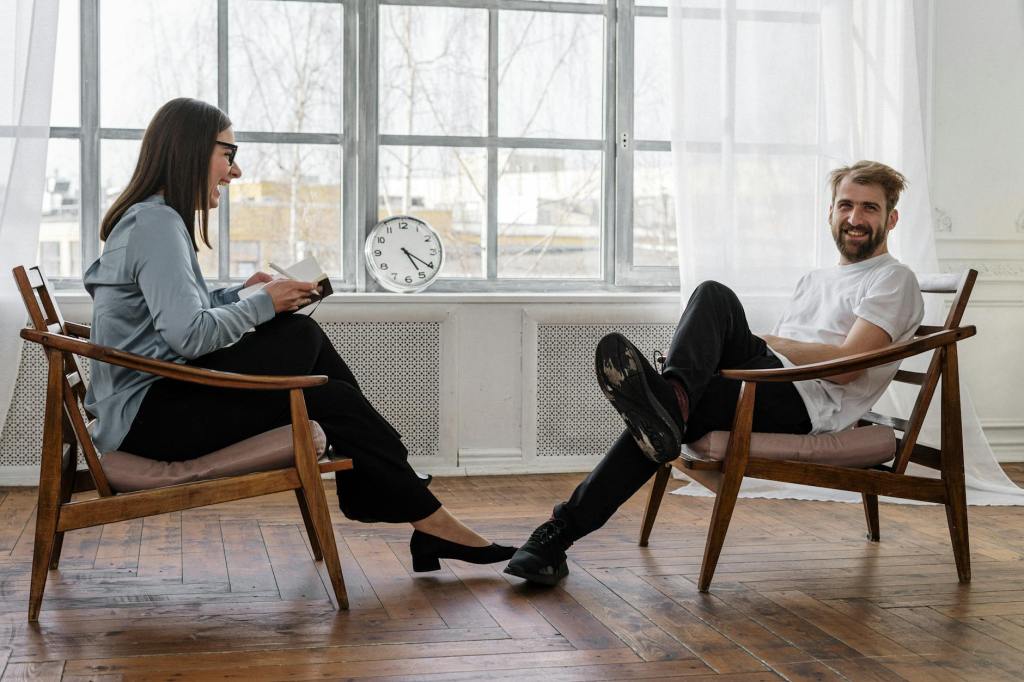
Understanding BPD Challenges
Living with BPD presents unique challenges that can impact various aspects of daily life. From intense emotional reactions to difficulties in maintaining stable relationships, understanding these challenges is key to developing effective coping strategies.
One of the primary challenges of BPD is emotional dysregulation. This means you might experience emotions more intensely than others and have difficulty managing these feelings. It’s like having an emotional thermostat that’s always set to high.
Interpersonal relationships can also be challenging. You might find yourself alternating between idealizing and devaluing others, leading to unstable and intense relationships. This “all-or-nothing” thinking can extend to how you view yourself, resulting in an unstable self-image.
These emotions; if left unreconized, can manifest as reckless behavior, substance abuse, or self-harm. Understanding these patterns is the first step towards managing them effectively.
Finding Your Path Forward
While a BPD diagnosis can feel overwhelming, it’s important to remember that it’s not a life sentence. With the right support and treatment, many individuals with BPD lead fulfilling lives and experience significant symptom improvement.
The journey forward often involves a combination of therapy, potentially medication, and self-help strategies. Dialectical Behavior Therapy (DBT) has shown particular effectiveness for BPD, teaching skills like mindfulness, emotion regulation, and interpersonal effectiveness.
Building a strong support system is crucial. This might include trusted friends and family, support groups, and mental health professionals.
Remember, recovery is a journey, not a destination. Be patient with yourself, celebrate small victories, and don’t hesitate to reach out for help when needed. Your diagnosis doesn’t define you—it’s simply a starting point for understanding and growth.
 Miss Anxiety
Leave a comment